
WASHINGTON — The Federal Communications Commission voted 3-2 along party lines Thursday to adopt a sweeping new framework that would require all full-power television stations to complete their transition to the ATSC 3.0 NextGen TV standard by the fourth quarter of 2027, effectively ending the current voluntary simulcast period that has been in place since the standard was first authorized in 2017.
The order, which passed over the objections of the two Republican commissioners who argued the mandate exceeded the agency's statutory authority, sets a hard deadline that industry analysts say will accelerate equipment spending across the nation's approximately 1,700 full-power broadcast television stations.
For broadcast engineering professionals, the implications are immediate and far-reaching. Stations that have not yet deployed ATSC 3.0 infrastructure — estimated at roughly 40% of full-power stations — will need to begin planning and procurement processes without delay.
What the Order Requires
Under the new rules, stations must achieve 100% ATSC 3.0 transmission coverage of their existing service areas by October 1, 2027. Critically, the order also mandates that stations cease legacy ATSC 1.0 (HDTV) simulcast transmissions by the same date.
“This is the most consequential technical mandate the Commission has issued since the digital television transition of 2009.”
— FCC Chair Jessica Hernandez, in her majority statement
Industry Reaction
The National Association of Broadcasters issued a statement within hours of the vote calling the order “a pragmatic recognition of market realities” while simultaneously flagging concerns about the consumer transition.
Technical Implications
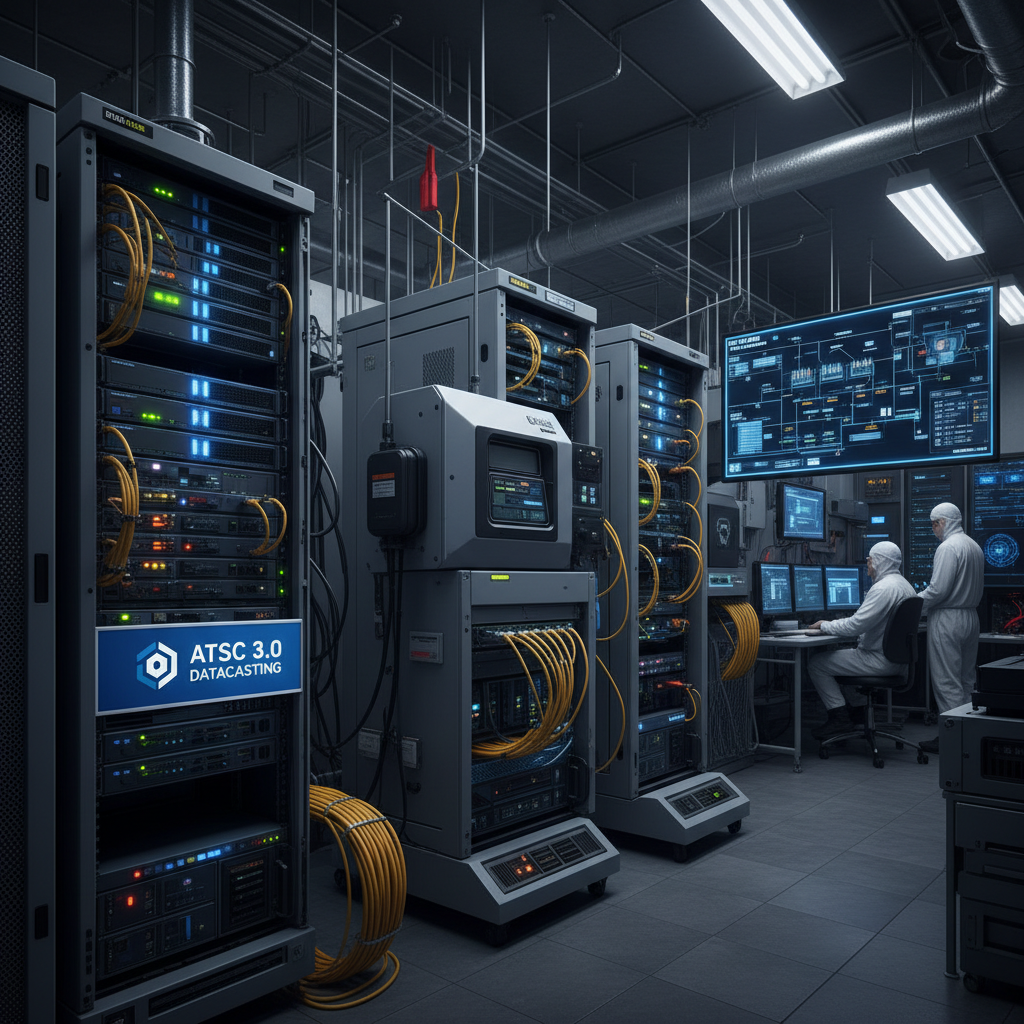
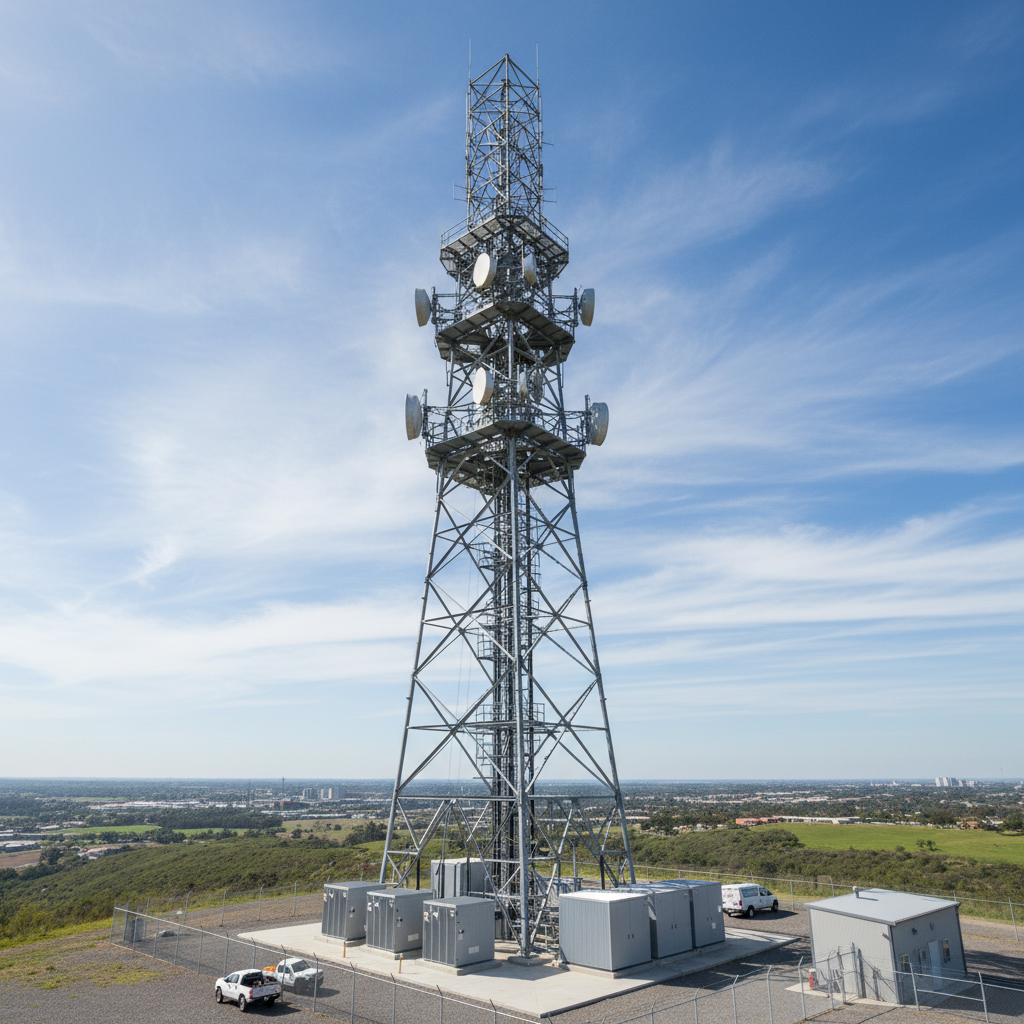
For broadcast engineers, the order triggers an immediate planning horizon. Stations that have not yet deployed ATSC 3.0 infrastructure — estimated at roughly 40% of full-power stations — will need to complete transmitter upgrades, encoder deployments, and operational workflow transitions within 18 months.